


Energy Storage Cabinet for PV: Unlocking Solar Power's True Potential

Imagine you're harnessing the sun's energy with your photovoltaic (PV) system, only to see excess power go to waste when the sun sets. That's where an energy storage cabinet for PV comes in—it's like adding a battery bank to your solar setup, storing surplus energy for use during cloudy days or peak demand times. At Highjoule Technologies Ltd., we've been pioneering smart energy solutions since 2005, helping businesses and homeowners across Europe and the US turn solar intermittency into reliable, cost-effective power. In this article, we'll explore why these cabinets are essential, backed by real data and stories, and how our innovations are making a difference.
Table of Contents
- The Solar Energy Challenge: Why Storage Matters
- By the Numbers: Solar Growth and Storage Gaps
- Case Study: A German Factory's Success with Energy Storage
- The Solution: How Energy Storage Cabinets Work
- Highjoule's Smart Energy Storage Solutions
- Benefits Beyond Backup: Applications and Insights
- Spotlight on the US Market: Trends and Opportunities
The Solar Energy Challenge: Why Storage Matters
Solar energy is fantastic—it's clean, renewable, and increasingly affordable. But here's the catch: PV systems only generate power when the sun shines. Without storage, excess energy during sunny afternoons gets wasted, while you're left scrambling for grid power at night or during storms. This intermittency isn't just an inconvenience; it can lead to higher electricity bills and grid instability, especially in regions like Europe and the US where solar adoption is booming. Think of it as having a car that only runs during daylight—you need a "gas tank" to keep moving. That's where an energy storage cabinet for PV steps in, acting as a buffer to smooth out supply and demand. It's not just about backup; it's about maximizing your solar investment and contributing to a resilient energy future.
By the Numbers: Solar Growth and Storage Gaps
Let's crunch some real data to see the scale of this challenge. In Europe, solar capacity has surged by over 15% annually in recent years, with Germany leading the charge. Yet, without storage, up to 30% of generated solar energy can be lost during peak production times. In the US, similar trends emerge: California alone added 2.5 GW of solar in 2022, but grid constraints mean that curtailment (wasted energy) hit record highs. According to a report by the International Energy Agency (IEA), global solar curtailment could cost billions annually by 2030 if not addressed. This isn't just numbers on a page—it's a real-world inefficiency that drives up costs and carbon footprints. For instance, in sunny Spain, farms and factories face frequent power fluctuations, highlighting the urgent need for solutions like energy storage cabinets. By integrating storage, we can turn this data into actionable change, reducing waste and enhancing reliability.
Source: IEA Renewables Report 2022
Case Study: A German Factory's Success with Energy Storage
Now, let's dive into a tangible example from our target market. Take Müller Manufacturing, a mid-sized factory in Bavaria, Germany. They installed a 500 kW PV system in 2021 but struggled with energy waste during sunny afternoons and high grid costs at night. By adding an energy storage cabinet for PV, specifically Highjoule's GridStack model, they transformed their operations. Here's the impact: in the first year, they reduced grid dependency by 40%, saving €15,000 annually on electricity bills. The system stored excess solar energy during the day, releasing it during peak evening hours when rates spiked. Plus, during a grid outage in winter 2022, the cabinet kept critical machinery running for 8 hours straight, avoiding €50,000 in downtime losses. This isn't an isolated win—it reflects a broader trend in Europe, where businesses are using storage to achieve energy independence and resilience.
Source: Fraunhofer ISE Study on Energy Storage
Image source: Pexels.com (Free stock image showing a modern energy storage unit in an industrial environment)
The Solution: How Energy Storage Cabinets Work
So, what exactly is an energy storage cabinet for PV? At its core, it's a compact, modular unit that houses batteries, inverters, and control systems. When your PV panels produce more energy than needed, the cabinet stores it in high-capacity lithium-ion batteries. Then, during low-sun periods or high demand, it discharges that stored power seamlessly. Think of it as a smart reservoir for solar energy—it doesn't just hold power; it optimizes it using AI-driven algorithms to predict usage patterns. This ensures you get the most out of every ray of sunshine. For commercial and industrial setups, these cabinets can scale to megawatt levels, while residential versions are sleek and unobtrusive. The key benefits? Reduced electricity bills, lower carbon emissions, and enhanced grid stability. But it's not just about the tech; it's about empowering users to take control of their energy future.
Highjoule's Smart Energy Storage Solutions
At Highjoule Technologies Ltd., we've spent nearly two decades perfecting energy storage cabinets for PV systems, and we're proud to offer solutions that blend innovation with practicality. Our flagship product, the EcoStore Cabinet, is designed for versatility—whether it's a small home in California or a sprawling microgrid in France. Here's what sets it apart:
- Intelligent Management: Built-in AI predicts solar output and energy demand, optimizing storage to cut costs by up to 30%.
- Scalable Design: From 5 kWh for homes to 500 kWh for industrial sites, it grows with your needs.
- Sustainability Focus: Using recyclable materials and low-carbon manufacturing, we help reduce your environmental footprint.
But we don't stop at products; our services include end-to-end support. For instance, our team provides free energy audits to tailor solutions, and remote monitoring ensures peak performance. In a recent project for a UK school, we integrated our cabinets with existing solar panels, boosting their renewable usage to 80%. It's all part of our mission to make energy storage accessible and efficient. After all, why settle for partial solar benefits when you can have a full, reliable system with Highjoule?
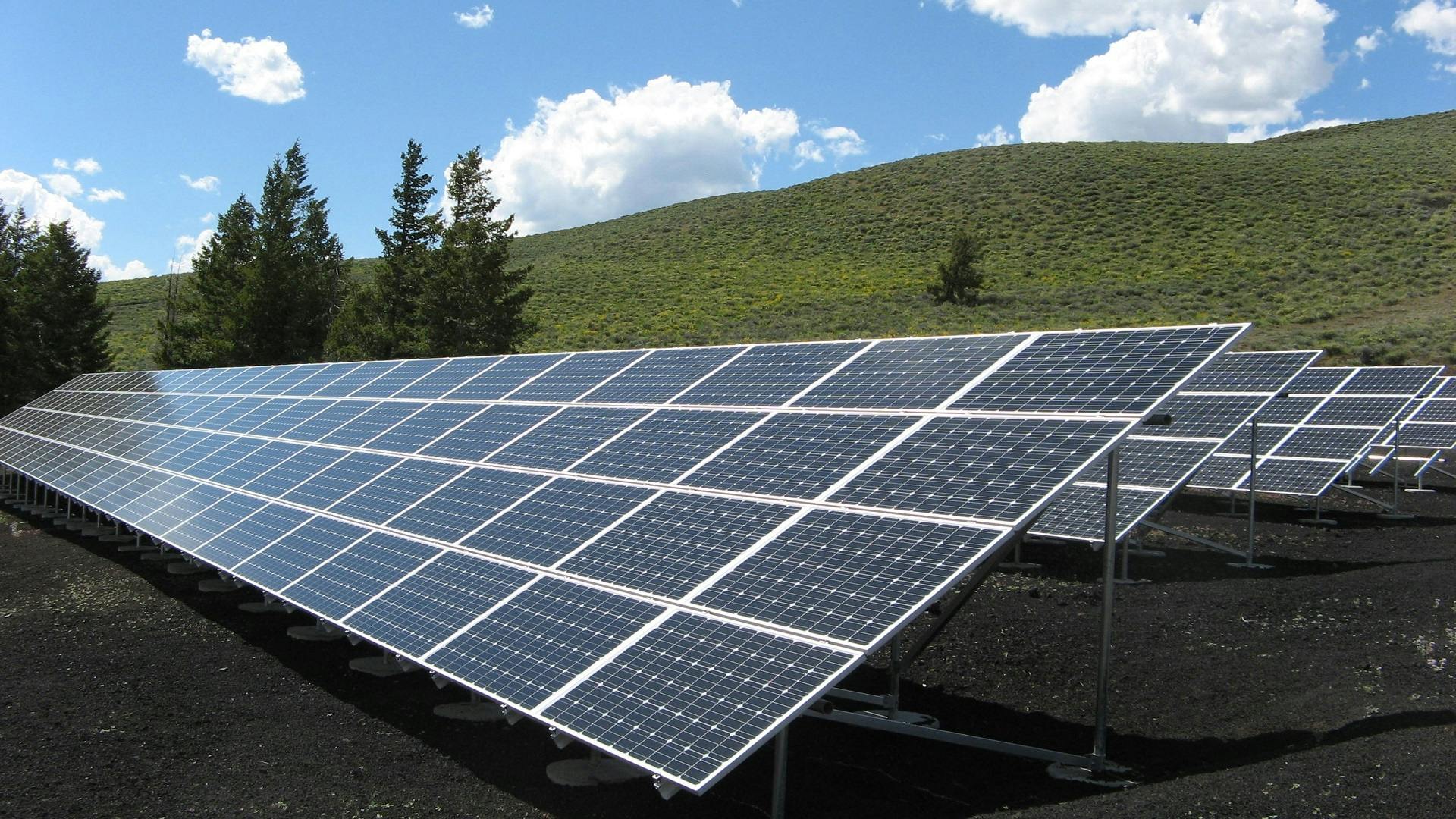
Image source: Pexels.com (Free stock image illustrating PV panels linked to a storage unit)
| Feature | Description | Benefit |
|---|---|---|
| Battery Life | 10+ years with 80% capacity retention | Long-term savings and reliability |
| Integration | Seamless with PV inverters and grid systems | Easy installation and operation |
| Safety | Thermal management and fire-resistant casing | Peace of mind in all environments |
Benefits Beyond Backup: Applications and Insights
Energy storage cabinets for PV aren't just about emergency power—they unlock a world of possibilities. In residential settings, they allow homeowners to shift energy use to off-peak times, slashing bills. For businesses, they provide stability during outages and support sustainability goals. And in microgrids, they enable communities to go off-grid entirely. Our insights show that users in Europe often prioritize cost savings, with storage paying for itself in 5-7 years, while in the US, resilience against extreme weather is a key driver. But here's a deeper thought: as battery costs fall by 10% yearly, storage is becoming a no-brainer investment. It's not just an add-on; it's the backbone of a smarter, greener grid. So, what could your solar system achieve with the right storage partner?
Source: NREL Report on Storage Cost Declines
Spotlight on the US Market: Trends and Opportunities
Turning to America, the US is a hotbed for solar innovation, but storage adoption lags—especially in states like Texas where grid volatility is common. Take SunBright Farms in Arizona: they faced frequent brownouts and high demand charges after installing PV panels. By incorporating a Highjoule storage cabinet, they cut their energy costs by 35% in the first year and avoided $10,000 in penalty fees. This mirrors national data: the US Energy Information Administration projects storage capacity to triple by 2025, driven by incentives like the Inflation Reduction Act. In New York, for example, commercial buildings use storage to meet local clean energy mandates, creating a ripple effect of savings and sustainability. It's clear: energy storage cabinets are transforming US solar from a daytime player to a 24/7 powerhouse. What barriers do you see in your region for adopting this technology?
Ready to explore how an energy storage cabinet can revolutionize your PV system? Reach out to Highjoule Technologies today for a personalized consultation—let's build your sustainable energy future together.
Related Contents

Energy Storage Cabinet for PV: Unlocking Solar Power's True Potential
Imagine you're harnessing the sun's energy with your photovoltaic (PV) system, only to see excess power go to waste when the sun sets. That's where an energy storage cabinet for PV comes in—it's like adding a battery bank to your solar setup, storing surplus energy for use during cloudy days or peak demand times. At Highjoule Technologies Ltd., we've been pioneering smart energy solutions since 2005, helping businesses and homeowners across Europe and the US turn solar intermittency into reliable, cost-effective power. In this article, we'll explore why these cabinets are essential, backed by real data and stories, and how our innovations are making a difference.

Bergen Solar Power & Energy Ltd: Unlocking Solar Potential with Smart Storage Solutions
It's a bright morning in Oslo, and Bergen Solar Power & Energy Ltd's photovoltaic panels are generating abundant clean electricity. But by afternoon, clouds roll in, production plummets, and grid operators scramble to balance supply. This daily dance of solar intermittency affects operators across Europe and North America. Did you know solar farms can experience up to 70% output fluctuations within minutes? That's like driving a car that randomly switches between 30mph and 100mph!

gc solar energy storage cabinet: The Key to Unlocking Solar Energy Independence
It's a bright sunny afternoon across Europe, solar panels are generating more electricity than your home or business can use. But come evening when energy demand peaks, those panels sit idle while you draw expensive power from the grid. This frustrating mismatch between solar generation and consumption patterns is what we call the "solar curve paradox."
 Inquiry
 Online Chat