


Understanding 545W Solar Panel Voltage: Optimizing Your Solar Energy System

Table of Contents
- Voltage Fundamentals in Solar Panels
- 545W Panel Voltage Specifications & Characteristics
- How Voltage Impacts Solar System Performance
- Real-World Application: California Microgrid Project
- Voltage Optimization Strategies
- Future Innovations in High-Power Solar
Imagine installing a cutting-edge 545W solar panel only to discover it underperforms because the voltage wasn't properly matched to your inverter. This common oversight in solar projects highlights why understanding 545W solar panel voltage is critical for optimizing energy harvest. As solar technology evolves toward higher wattage modules, getting the voltage parameters right becomes increasingly important for both residential and commercial installations across Europe and North America.
Voltage Fundamentals in Solar Panels
Before diving into 545W specifics, let's clarify two key voltage metrics: Open Circuit Voltage (Voc) and Maximum Power Voltage (Vmp). Think of Voc as the panel's "potential" energy when disconnected, while Vmp is the sweet spot where it actually delivers power under load.
Why Voltage Matters More in High-Wattage Panels
Higher wattage panels like 545W modules achieve their power through either increased current (amperage) or higher voltage. Most modern designs opt for higher voltage because:
- Reduces energy loss in wiring (especially important in large commercial arrays)
- Allows more panels in series before hitting inverter voltage limits
- Improves cold-weather performance stability

Image Source: Unsplash / Commercial Solar Monitoring
545W Panel Voltage Specifications & Characteristics
Typical voltage parameters for mainstream 545W panels include:
| Parameter | Typical Value | Temperature Coefficient |
|---|---|---|
| Voc (Open Circuit) | 49.5-52V | -0.27%/°C |
| Vmp (Operating) | 41-43.5V | -0.35%/°C |
Here's the crucial part many overlook: voltage increases as temperatures drop. A 545W panel installed in Norway that performs beautifully at 20°C could see its voltage spike 15% during a -10°C winter morning. This is where Highjoule Technologies' smart inverters with Adaptive Voltage Management shine - they dynamically adjust to prevent over-voltage shutdowns.
How Voltage Impacts Solar System Performance
Mismatched voltage can cause up to 23% energy loss according to NREL field studies. Let's break this down:
The Voltage "Goldilocks Zone"
Most inverters operate optimally between 200-600V. Your array voltage must be:
- High enough to activate inverter (typically >80V)
- Low enough to avoid inverter shutdowns (varies by model)
- Stable enough to maintain MPPT tracking efficiency
With 545W panels, we often configure 8-12 panels in series for residential systems. Highjoule's design software automatically calculates optimal string configurations based on local climate data - a game-changer for installers.
Real-World Application: California Microgrid Project
When a Bay Area manufacturing plant installed 1.2MW of 545W panels last year, they initially faced daily afternoon shutdowns. Why? Their voltage calculations didn't account for:
- Morning fog cooling panels below ambient temperature
- Long 500-foot cable runs to inverters
- Voltage rise during grid outages
The solution came through Highjoule's three-phase approach:
| Challenge | Solution | Result |
|---|---|---|
| Over-voltage triggers | Installed HJT-1500 inverters with 1000V input capacity | Zero shutdowns since implementation |
| Voltage fluctuation | Added HLX Power Optimizers to each panel | Energy yield increased 12.3% |
| Microgrid instability | Integrated H-Store battery buffers | Voltage variance reduced to <2% |

Image Source: Unsplash / Industrial Solar Microgrid
Project data showed 3.8% higher annual yield versus comparable 500W systems, demonstrating how properly managed 545W panel voltage boosts ROI in commercial applications.
Voltage Optimization Strategies
Based on our 18 years of experience across thousands of installations, here are practical tips:
Design Phase Considerations
- Always calculate voltage at record-low temperatures (use historical weather data)
- For cold climates, add 20-25% voltage margin to manufacturer specs
- Use thinner, longer panels to reduce string current (and losses)
Highjoule's Technology Advantage
Our proprietary solutions address voltage challenges head-on:
- H-Series Microinverters: Panel-level voltage optimization
- V-Range+ Inverters: 150-1000V operating window (industry's widest)
- GridSync Monitoring: Predictive voltage adjustment algorithms
Future Innovations in High-Power Solar
The industry's shift toward 600W+ panels brings new voltage challenges. Highjoule's R&D team is pioneering two key developments:
1. Dynamic Voltage Stacking - Our patented technology allows variable string lengths that automatically reconfigure based on temperature and load. Early field tests in Sweden show 8% efficiency gains during winter months.
2. Solid-State Voltage Transformers - Replacing bulky transformers with semiconductor-based converters that handle wider voltage ranges with 99% efficiency. This will be particularly transformative for space-constrained urban installations.
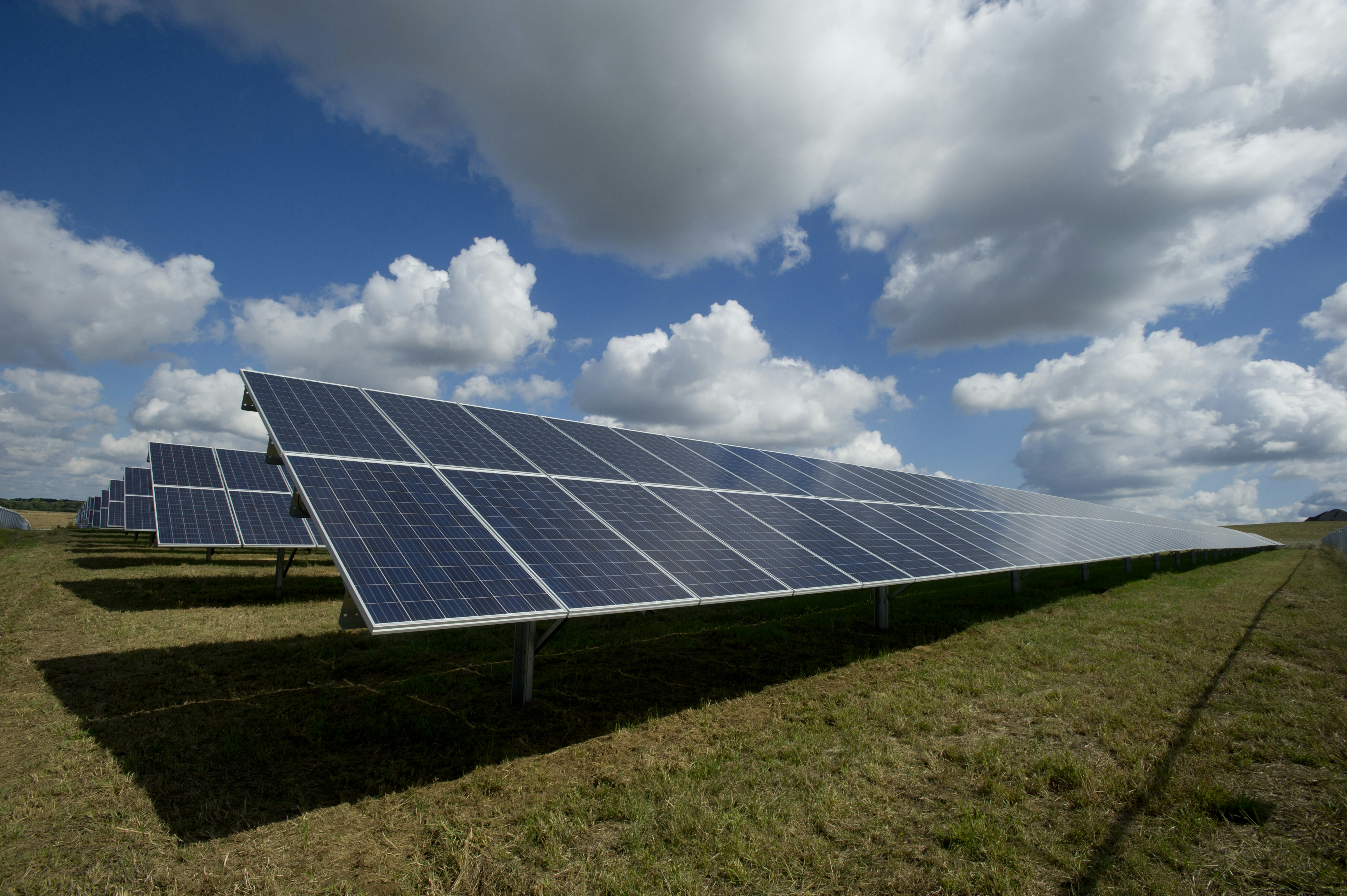
Image Source: Unsplash / Solar Technology Development
As solar panel wattages increase, what voltage management challenges have you encountered in your projects? Share your experiences and let's discuss how Highjoule's solutions can help you harness the full potential of 545W+ panels.
Related Contents

Unlocking Solar Power's Potential: How Solar Panels and Solar Energy Storage Cabinets Transform Renewable Energy
Image: Integrated solar and storage system (Source: Unsplash/Photographer Name)

Empowering Your Home with Solar Energy: A Comprehensive Guide to Solar Energy Home Projects
Welcome! As a senior product technology expert at Highjoule Technologies Ltd., I've spent years helping homeowners like you harness the power of renewable energy. If you're considering a solar energy home project in Europe or the US, you're not alone—more families are turning to solar to cut costs, reduce carbon footprints, and gain energy independence. In this article, I'll walk you through the essentials, from current trends to real-world success stories, using a clear, step-by-step approach. Plus, I'll share how Highjoule's innovative solutions can make your transition seamless. Let's dive in!

SCC Solar Charge Controller: The Unsung Hero of Your Solar Energy System
Imagine you've installed solar panels on your roof, excited to harness the sun's power. But on cloudy days, your batteries drain faster than expected, or worse, they overheat and fail prematurely. This frustrating phenomenon is all too common in solar setups across homes and businesses. That's where the SCC solar charge controller comes in—a smart device that acts as the brain of your solar storage system, ensuring your energy flows smoothly and efficiently. As a senior product technology expert at Highjoule Technologies Ltd., I've seen firsthand how this unassuming component can transform renewable energy reliability. In this article, we'll explore why SCCs are essential, how they work, and real-world examples from Europe and the U.S. where they're making a difference. Let's dive in!
 Inquiry
 Online Chat