


How Much Voltaic Panels Do You Really Need? A Practical Guide

Table of Contents
The Energy Reality: Why Panel Quantity Matters
You're considering solar panels for your home or business, but that nagging question remains - "how much voltaic panels do I actually need?" It's not just about covering your roof with shiny rectangles. Getting this number right means balancing energy independence, cost efficiency, and environmental impact. Underestimating leaves you reliant on the grid; overestimating wastes precious resources. As Europe and North America accelerate renewable adoption, understanding this equation becomes critical.
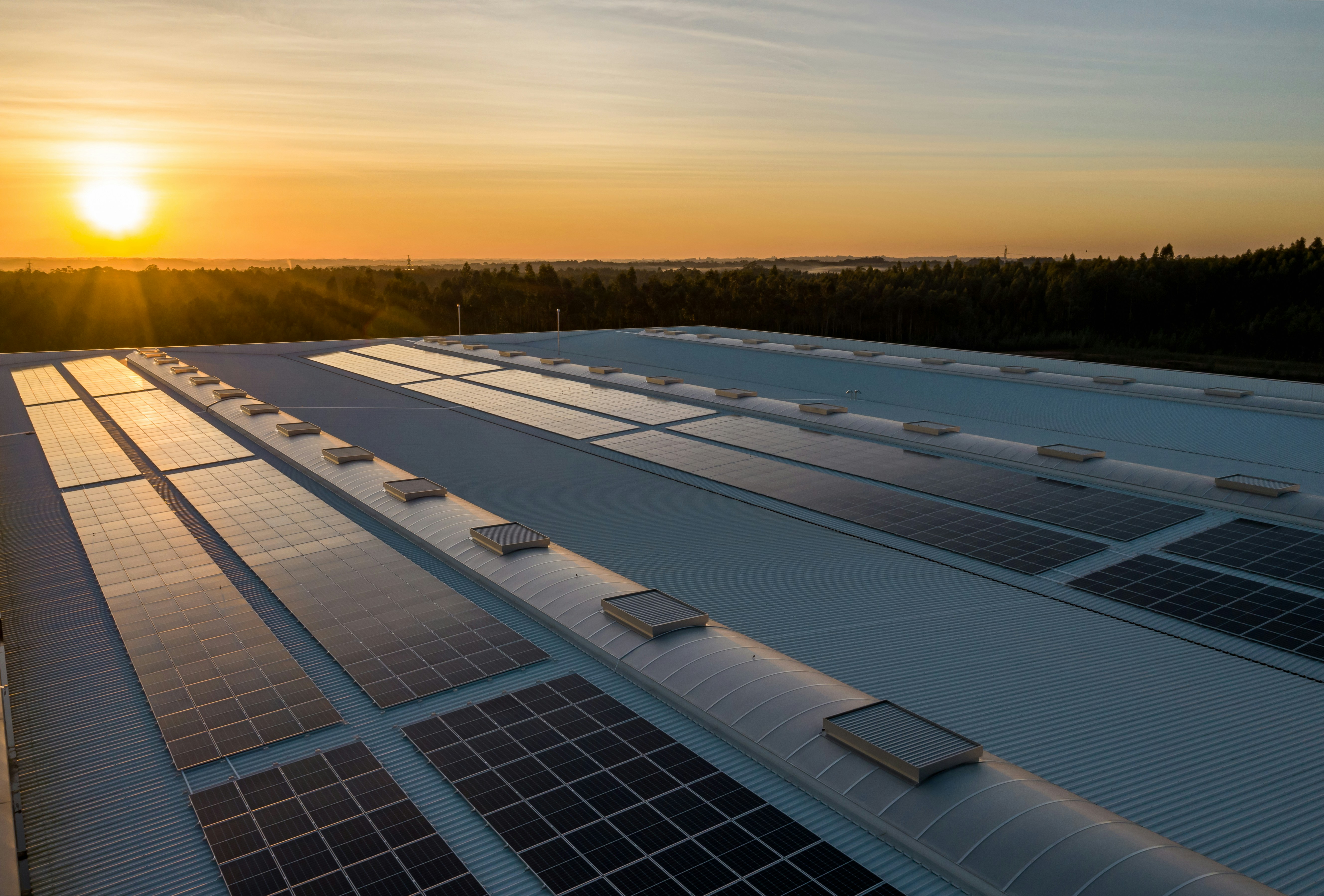
Source: Unsplash - Typical residential solar installation
Key Factors Determining Your Solar Panel Count
Calculating your ideal panel count isn't guesswork - it's science. Let's break down the variables:
Your Energy Consumption
Start with your annual kWh usage (check utility bills). The average U.S. household uses 10,715 kWh/year, while German homes average 3,500 kWh/year due to efficiency differences. Pro tip: Monitor peak usage times - that afternoon AC surge matters!
Solar Panel Efficiency
Not all panels are created equal. Modern monocrystalline panels convert 18-22% of sunlight versus polycrystalline's 15-17%. Highjoule's HeliosPrime 400W panels achieve 21.5% efficiency, meaning fewer panels for the same output. Here's a comparison:
| Panel Type | Efficiency | Panels Needed for 5kW System |
|---|---|---|
| Standard Polycrystalline | 16% | 18-20 |
| Highjoule HeliosPrime | 21.5% | 12-14 |
Geography and Sunlight Patterns
Location dramatically impacts panel productivity. Southern Spain generates 1,800 kWh/kWp annually versus Scotland's 900 kWh/kWp. Use the EU's Photovoltaic Geographical Information System for precise local data.
Available Installation Space
Each 400W panel needs ~2m². South-facing roofs yield 20% more energy than east/west orientations. Our SmartAngle mounting systems optimize space by adjusting panel tilt seasonally, squeezing 15% more power from constrained areas.
Real-World Case: Munich Family's Solar Transformation
The Schmidt family near Munich provides a textbook example. Their 195m² home consumed 4,200 kWh annually. After analyzing their:
- South-facing roof (35m² usable)
- Bavarian insolation (1,150 kWh/kWp)
- Desire for 80% energy autonomy
We installed 12 HeliosPrime panels (4.8kW total) paired with our NexusHome 10kWh battery. Results after 18 months:
- 4,100 kWh annual generation
- €1,200 saved on electricity bills
- Grid dependence reduced to rainy winter weeks
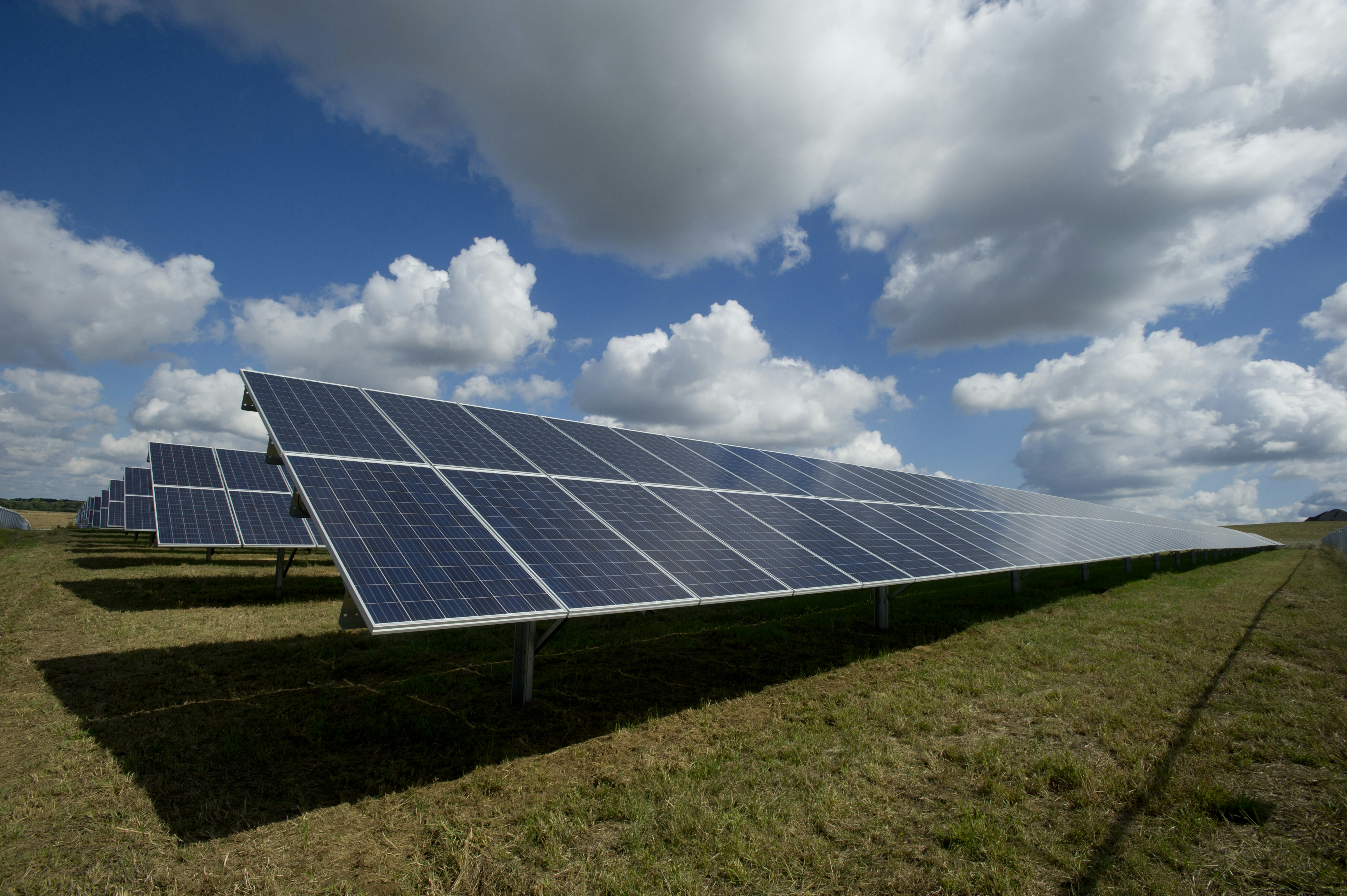
Source: Unsplash - Energy monitoring system
Highjoule Technologies: Smart Solutions for Optimal Energy
Since 2005, Highjoule has redefined energy independence across 32 countries. Our integrated systems eliminate guesswork:
- HeliosPrime Panels: Industry-leading 21.5% efficiency with 25-year performance guarantee
- Nexus Energy Storage: Scalable 5-30kWh batteries with AI-driven energy management
- SmartAngle Mounts: Dynamic positioning that boosts yield in limited spaces
For commercial applications like Berlin's EcoPrint factory, our MicroGrid Controller orchestrates 340 panels with battery storage and backup generators, cutting energy costs by 40% while maintaining 99.98% uptime.
Future-Proofing Your Energy Setup
Planning an EV? Expect 3,000+ kWh annual consumption per vehicle. Expanding your business? Factor in 20% capacity buffer. Our systems grow with your needs - add panels or batteries seamlessly. The real question isn't just "how much panels," but "how smart is your energy ecosystem?"

Source: Unsplash - Solar-powered EV charging
What energy goals could you achieve with perfectly calibrated solar power? Let's explore your unique equation.
Related Contents

How Much Biofuel Storage Do You Really Need? A Practical Guide
You're considering biofuels for your facility's energy needs – perhaps biodiesel for backup generators or biogas for combined heat and power (CHP). A critical question immediately arises: how much biofuel storage is actually required? It's tempting to think of it simply as "bigger is better," but in reality, optimal storage is a calculated balance between security, cost, and practicality. Unlike fossil diesel that can sit almost indefinitely, biofuels like biodiesel (FAME) or ethanol have specific shelf-life considerations due to oxidation and potential microbial growth, impacting that "how much" equation. Under-sizing risks running out during critical periods, while over-sizing ties up capital and space unnecessarily.

How Much DX Power System Do You Really Need? A Practical Guide
It's 5 PM at your California factory. Solar generation drops as the sun sets, but production lines are running full tilt. Grid electricity prices surge to $0.55/kWh during peak hours. Suddenly, your energy manager rushes in - the utility just issued a flex alert. Sound familiar? This daily dilemma is why businesses across Europe and North America keep asking: "How much DX power system capacity do we actually need?"

How Much Can a 50W Solar Panel Really Power? Your Practical Guide
You've just unboxed a compact 50W solar panel, about the size of a large briefcase. "How much power will this actually give me?" you wonder. Let's break it down simply. A 50W rating means the panel can theoretically produce 50 watts of power under perfect laboratory conditions – but real-world performance? That's where things get interesting.
 Inquiry
 Online Chat