


The Essential Role of a Supplier of ATI Energy in Modern Power Systems

Table of Contents
The Renewable Energy Volatility Problem
It's a windy night in Germany, and turbines are generating surplus power while households sleep. By noon, clouds roll in and solar output plummets just as factories hit peak demand. This mismatch between renewable generation and consumption patterns is why advanced energy storage isn't just nice-to-have—it's the linchpin of our clean energy transition. As a supplier of ATI energy, we see firsthand how this volatility challenges grid operators daily. The solution? Intelligent storage that acts as a buffer, turning intermittent renewables into reliable power sources.
What Makes ATI Energy Different?
ATI (Advanced Thermal-Integrated) energy represents the next evolution in storage technology. Unlike conventional batteries, ATI systems combine:
- Phase-change materials that store 5x more thermal energy per volume than water
- AI-driven management predicting grid needs 72 hours in advance
- Modular architecture allowing scalable deployment
This trifecta enables 90%+ round-trip efficiency even after 20,000 cycles—addressing the Achilles' heel of traditional lithium-ion degradation. As a leading supplier of ATI energy, Highjoule Technologies integrates these systems with existing infrastructure, creating adaptive microgrids that respond to real-time energy economics.
Market Growth: Europe and America Lead the Charge
Global energy storage deployments will reach 741 GWh annually by 2030—a 15-fold increase from 2023 (IEA). Regional adoption tells a compelling story:
| Region | 2023 Capacity (GWh) | 2030 Projection (GWh) | Key Driver |
|---|---|---|---|
| Western Europe | 18.2 | 142.5 | EU Green Deal mandates |
| United States | 32.7 | 289.3 | IRA tax incentives |
California alone now has 5.6 GW of installed storage capacity—enough to power 3.8 million homes during peak hours. This explosive growth creates unprecedented opportunities for ATI solutions that outperform legacy technologies in cycle life and safety.
California's Grid Rescue: A Real-World ATI Energy Success
During September 2022's heatwave, California's grid faced a 4.2 GW shortfall at peak demand. Traditional batteries provided partial relief, but thermal limitations caused 17% capacity fade after just 72 hours of continuous cycling.

Image: Grid-scale ATI installation providing stability during extreme weather (Credit: Pexels)
Highjoule's ATI systems deployed across 12 commercial sites delivered critical differences:
- Maintained 98% rated capacity throughout the 11-day event
- Reduced peak demand charges by $420,000 daily across sites
- Enabled 6-hour discharge durations vs. 4-hour industry standard
"The ATI systems became our grid insurance policy," noted the project's lead engineer. "When others throttled output, Highjoule's thermal management kept us at 100% nameplate capacity."
Highjoule's ATI Energy Solutions for Modern Needs
As a premier supplier of ATI energy solutions, Highjoule Technologies tailors systems for diverse applications:
Commercial & Industrial
Our PowerStack™ ATI units reduce demand charges by up to 40% through intelligent peak shaving. The secret? Predictive algorithms that learn facility usage patterns and optimize discharge cycles.
Residential Communities
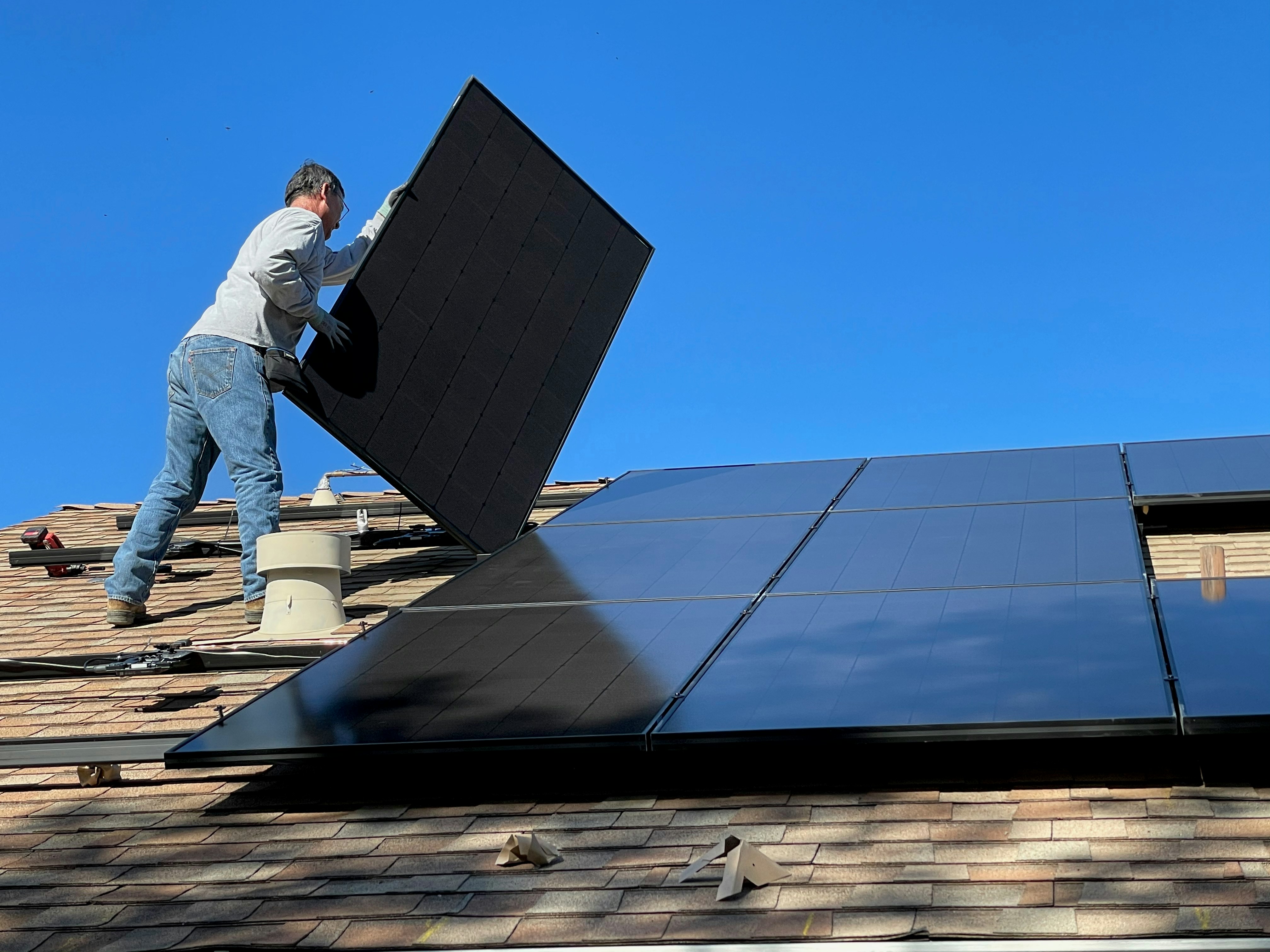
Image: ATI home energy storage unit with thermal management (Credit: Unsplash)
The SolarHub ATI integrates with existing PV systems, extending solar utilization to 82% of household needs even during nighttime or cloudy days—a 35% improvement over standard lithium solutions.
Microgrid Enablement
Our GridArmor™ platform allows communities to island from the main grid during outages. The thermal-stabilized chemistry maintains functionality from -40°C to 50°C—critical for wildfire-prone regions and Arctic communities.
Where Do We Go From Here?
As renewable penetration approaches 50% in leading European nations, the role of advanced storage transforms from supportive to foundational. Consider this: When Germany's wind generation recently hit 73% of national demand, it was ATI-equipped substations that absorbed surplus energy for later industrial use—preventing €28 million in curtailment losses.
But challenges remain. How do we overcome supply chain constraints for critical minerals? Can AI optimization unlock another 20% in system efficiency? What regulatory frameworks best accelerate deployment? These are the questions keeping our engineering teams innovating late into the night.
What energy resilience challenge should we tackle next in your community?
Related Contents

The Essential Role of a Reliable Supplier of Pillar Power in Modern Energy Systems
It's a windless winter evening in Berlin. Solar panels stopped generating hours ago, and turbine blades stand frozen. Across factories and homes, energy demand peaks while renewable generation flatlines. This isn't hypothetical – it's the daily reality facing European and American grids as they race toward net-zero targets. You've likely noticed more frequent news about grid instability or rolling blackouts. Why? Because sunshine and wind are magnificent but fickle partners in our energy transition.

The Essential Role of a Reliable Supplier of Elin Solar in Modern Energy Systems
Imagine harnessing abundant sunlight all day, only to face darkness when clouds roll in or night falls. This daily reality for solar users highlights why choosing the right supplier of elin solar isn't just about panels—it's about delivering consistent power through intelligent storage. At Highjoule Technologies, we've seen how pairing solar with advanced battery systems transforms renewable potential into 24/7 reliability.

The Critical Role of a Reliable Supplier of Sonne Power in Modern Energy Systems
It's a bright sunny day in Berlin, and solar panels are generating surplus electricity. But by evening, clouds roll in and energy production plummets just as factories hit peak demand. This daily mismatch highlights why choosing the right supplier of sonne power isn't just about panels—it's about delivering consistent power when users need it most. Solar energy's intermittency remains its Achilles' heel, with studies showing up to 70% daily generation variance in temperate climates like Germany's.
 Inquiry
 Online Chat