


Understanding IP65 BESS Price in Sweden: A Practical Guide for Renewable Energy Adopters

Table of Contents
Sweden's Weather Challenge: More Than Just Cold Temperatures
It's February in Stockholm, and your battery storage system faces -15°C temperatures, followed by wet spring thaws. This is the reality for Swedish energy users. As renewable adoption surges (Sweden aims for 100% renewable electricity by 2040), the demand for weatherproof storage solutions like IP65-rated BESS has skyrocketed. But what exactly drives the IP65 BESS price in Sweden? Let's break it down.

Image source: Unsplash - Swedish renewable installations face extreme weather
Why IP65 Certification Isn't Optional in Scandinavia
IP65 rating means complete dust protection and resistance to low-pressure water jets – crucial for Sweden's coastal regions and heavy snowfall. At Highjoule Technologies, we've seen how non-IP65 systems fail within 18 months in Nordic conditions. Here's what IP65 protects against:
- Moisture damage from melting snow and humidity
- Corrosion from coastal salt exposure
- Thermal stress during -30°C to +30°C swings
Decoding IP65 BESS Price Factors in Sweden
When evaluating IP65 BESS price in Sweden, three elements dominate:
| Cost Factor | Impact on Price | Sweden-Specific Notes |
|---|---|---|
| System Capacity | €500-€700/kWh | Higher capacity = lower €/kWh |
| Installation Complexity | 15-25% of equipment cost | Permitting delays add 10-15% in Stockholm |
| Thermal Management | €8,000-€20,000 premium | Mandatory for Arctic Circle installations |
According to Swedish Energy Agency, prices have dropped 40% since 2018 due to local assembly initiatives. But remember: The cheapest option often costs more long-term. As one of our Gothenburg clients learned, a €50,000 savings on non-IP65 units led to €120,000 in replacement costs after two winters.
Case Study: Västerås Industrial Park's Success Story
When Västerås Industrial Park needed to cut energy costs while maintaining operations during grid outages, they installed Highjoule's HX-9000 IP65 BESS. Here's what they achieved:
- ⚡ 1.2MWh capacity with -40°C cold-start capability
- 💶 23% reduction in energy costs despite Sweden's high electricity prices
- 🌧️ Zero downtime during 2023's record rainfall (over 300mm in April)
Their system paid for itself in 4.2 years – 18 months faster than projected. As facility manager Lena Bergström noted: "The IP65 rating wasn't just about specs. During the spring floods, our previous system would have failed. This one handled water intrusion like it was nothing."
Highjoule's Swedish-Tailored Solutions
Since 2005, Highjoule Technologies has deployed over 120 IP65 BESS units across Scandinavia. Our systems are engineered for Nordic extremes:
- ArcticShield™ Battery Enclosures - Triple-sealed with integrated heating
- Dynamic Thermal Management - Reduces heating energy use by 40% vs. competitors
- Local Support - Stockholm-based technicians with 24/7 response
What sets us apart? We don't just sell hardware. Our SmartGrid Optimizer software predicts Swedish weather patterns, adjusting storage cycles to maximize ROI. For a dairy farm in Luleå, this increased winter efficiency by 28%.
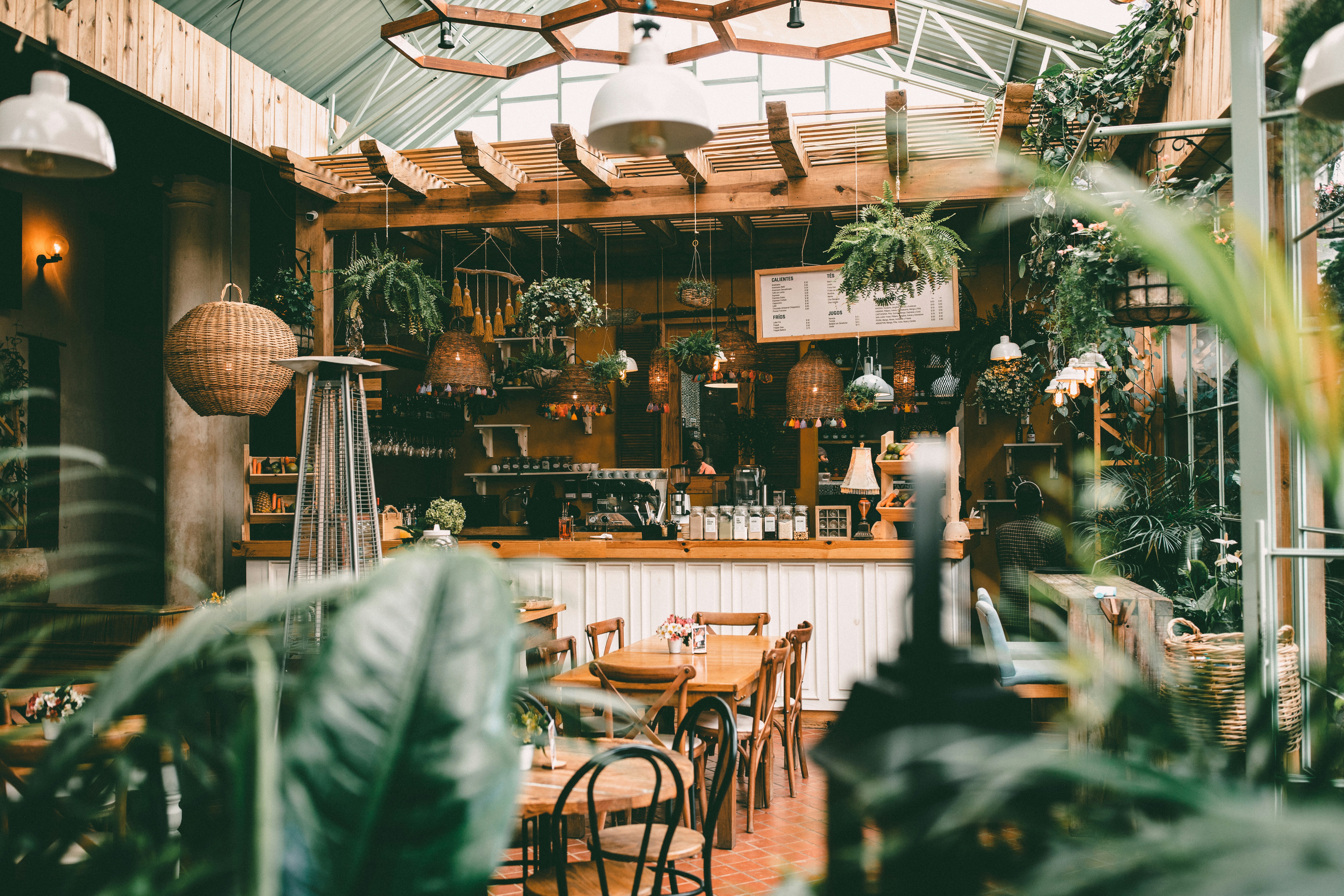
Image source: Unsplash - IP65 BESS maintenance in Nordic conditions
The Future of Swedish Energy Storage
With Sweden's energy storage capacity projected to grow 500% by 2030, IP65 BESS will become standard. Emerging technologies like phase-change materials could further optimize cold-weather performance. But one question remains: How will your business adapt when the next polar vortex hits?
What's Your Biggest Challenge with Swedish Energy Storage?
We'd love to hear about your project requirements. Are you more concerned about upfront costs, long-term durability, or grid independence? Share your thoughts below!
Related Contents

Understanding Voltx Energy Storage Cabinet Price in Sweden: A Practical Guide
Ever wonder why your Swedish neighbors are suddenly discussing battery cabinets? As electricity prices swing like a pendulum across Scandinavia, Voltx energy storage cabinet price in Sweden has become a hot topic at coffee breaks and boardrooms alike. Let's explore what's driving this trend and how it impacts your energy independence journey.

Solar Inverter 8kW Price in Sweden: Your Guide to Smart Energy Savings
Have you ever considered how a simple device like a solar inverter could slash your energy bills while boosting sustainability? In Sweden, where long winters and high electricity costs are a reality, more homeowners and businesses are turning to solar power. At Highjoule Technologies Ltd., we've seen firsthand how an 8kW solar inverter—a key component that converts solar energy into usable electricity—can transform energy independence. But what exactly drives the solar inverter 8kW price in Sweden? Let's dive in, and I'll share some eye-opening insights from my years in renewable energy. You'll discover not just costs, but how choosing the right system can pay off for decades.

Understanding Inverex Inverter 50 kW Price in Sweden: Key Insights for Renewable Energy Investors
A Swedish warehouse manager in Stockholm examines rising electricity bills while scrolling through government incentives for solar adoption. Across Scandinavia, businesses are pivoting to 50kW industrial inverters like the Inverex series to combat energy volatility. Why the surge? Sweden’s industrial sector faces unique challenges – 5,800 annual operating hours but only 1,200 sun-hours (source: Swedish Energy Agency). This mismatch creates a prime landscape for solar-storage hybrids. With EU carbon neutrality mandates accelerating, mid-scale 50kW systems bridge the gap between residential rooftops and utility-scale farms, making them Scandinavia’s sweet spot for ROI-driven decarbonization.
 Inquiry
 Online Chat