


How Much Solar Power Do You Need in Ocho Rios? A Practical Guide

You're considering solar panels for your Ocho Rios property, but that nagging question remains – "how much solar do I actually need?" With Jamaica's abundant sunshine (over 3,000 hours annually!), it's a smart question. Whether you're a homeowner near Dunn's River Falls or managing a Montego Bay resort, getting your solar sizing right impacts both your energy independence and wallet.
Table of Contents
- Solar Potential in Ocho Rios: The Sunny Reality
- Calculating Your Solar Needs: Beyond Basic Math
- Why Storage is Non-Negotiable in Tropical Climates
- Highjoule Technologies: Your Energy Resilience Partner
- Real-World Success: Florida Hotel Case Study
- Your Next Steps Toward Solar Independence
Solar Potential in Ocho Rios: The Sunny Reality
Ocho Rios enjoys 5.8 peak sun hours per day on average – 25% higher than Berlin or London. But solar isn't just about sunshine hours; it's about harnessing that energy effectively. Consider these factors:
- Roof angle & shading: Tropical foliage can surprisingly impact output
- Seasonal variations: December sees 20% less irradiance than July
- Energy tariffs: Jamaica's residential rates average $0.32/kWh – nearly double the US average
What does this mean? Every properly sized kW of solar in Ocho Rios delivers 30-50% more value than in temperate climates.
Calculating Your Solar Needs: Beyond Basic Math
Forget generic online calculators. Accurate sizing requires understanding your unique energy fingerprint:
| Property Type | Average Daily Usage | Recommended Solar Capacity |
|---|---|---|
| 2-Bedroom Villa | 15-20 kWh | 5-7 kW system |
| Boutique Hotel (20 rooms) | 250-400 kWh | 80-120 kW system |
| Commercial Complex | 800+ kWh | 250+ kW + storage |
Pro Tip: Always add 15-20% buffer capacity for tropical climates. Why? Air conditioning loads spike during heatwaves, and salt air can slightly reduce panel efficiency over time.
Why Storage is Non-Negotiable in Tropical Climates
Solar without storage is like a rainwater tank without a faucet. In hurricane-prone regions like Jamaica, battery systems provide critical advantages:
- Maintain power during grid outages (common during storms)
- Store excess daytime energy for peak evening rates
- Provide voltage stabilization for sensitive equipment
During Hurricane Elsa (2021), properties with storage maintained power for 72+ hours while grid-dependent neighbors went dark. That's resilience you can't put a price on.
Highjoule Technologies: Your Energy Resilience Partner
At Highjoule Technologies, we've engineered storage solutions specifically for tropical environments since 2005. Our EcoVolt Series batteries feature:
- Salt-air resistant casing
- Smart cooling systems for 35°C+ temperatures
- Grid-assist mode reducing diesel generator use by 90%
For Ocho Rios resorts, our MicroGrid Controller seamlessly blends solar, storage, and backup generators – like the system we implemented at Jamaica Inn (see below).
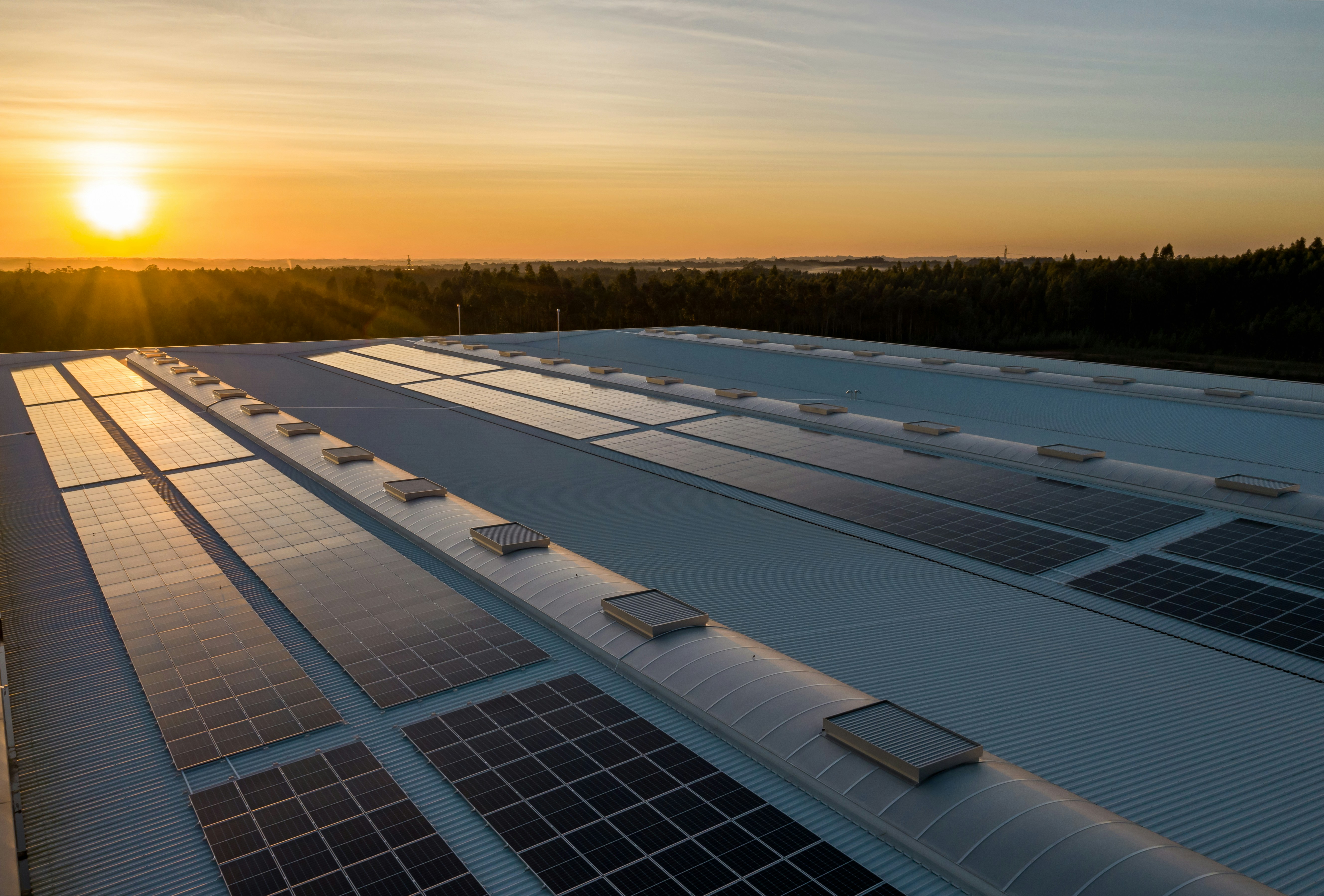 Image: Solar installations in tropical climates require specialized components. Source: Unsplash
Real-World Success: Florida Hotel Case Study
When the Caribbean Breeze Resort in Key West (similar climate to Ocho Rios) faced $18,000 monthly electricity bills, we implemented:
- 142 kW rooftop solar array
- 3x EcoVolt 500 storage units (1.2 MWh total)
- AI-powered energy management system
- Grid energy consumption reduced by 78%
- Payback period: 4.2 years
- Uninterrupted power during 3 tropical storms
"The storage system paid for itself during hurricane season alone," noted GM Ricardo Torres. NREL studies confirm such tropical installations deliver 22% faster ROI than temperate zones.
Your Next Steps Toward Solar Independence
Ready to crunch your numbers? Start with these actions:
- Analyze 12 months of utility bills (find your usage patterns)
- Get a professional shade analysis – palm trees matter!
- Explore Jamaica's net billing program for commercial properties
 Image: Modern battery systems require minimal maintenance in tropical environments. Source: Unsplash
What energy challenge keeps you awake at night – unpredictable bills, storm vulnerability, or sustainability goals? Our team designs solutions that turn sunshine into security.
Related Contents

How Much Can a 500 Watts Solar Panel Power? Your Practical Guide
High-efficiency solar panels in residential installation (Source: Unsplash)

How Much DX Power System Do You Really Need? A Practical Guide
It's 5 PM at your California factory. Solar generation drops as the sun sets, but production lines are running full tilt. Grid electricity prices surge to $0.55/kWh during peak hours. Suddenly, your energy manager rushes in - the utility just issued a flex alert. Sound familiar? This daily dilemma is why businesses across Europe and North America keep asking: "How much DX power system capacity do we actually need?"

How Much Can a 50W Solar Panel Really Power? Your Practical Guide
You've just unboxed a compact 50W solar panel, about the size of a large briefcase. "How much power will this actually give me?" you wonder. Let's break it down simply. A 50W rating means the panel can theoretically produce 50 watts of power under perfect laboratory conditions – but real-world performance? That's where things get interesting.
 Inquiry
 Online Chat